
70% of lifting hardware failures stem from generic components used in specialized environments, making custom engineering essential. A top-tier china lifting and rigging manufacturer provides bespoke solutions using ASTM A973 certified materials and automated production to ensure 100% load test compliance. With lead times 35% shorter than EU alternatives and prototype-to-production cycles under 21 days, these facilities support infrastructure projects exceeding 1,000 tons.
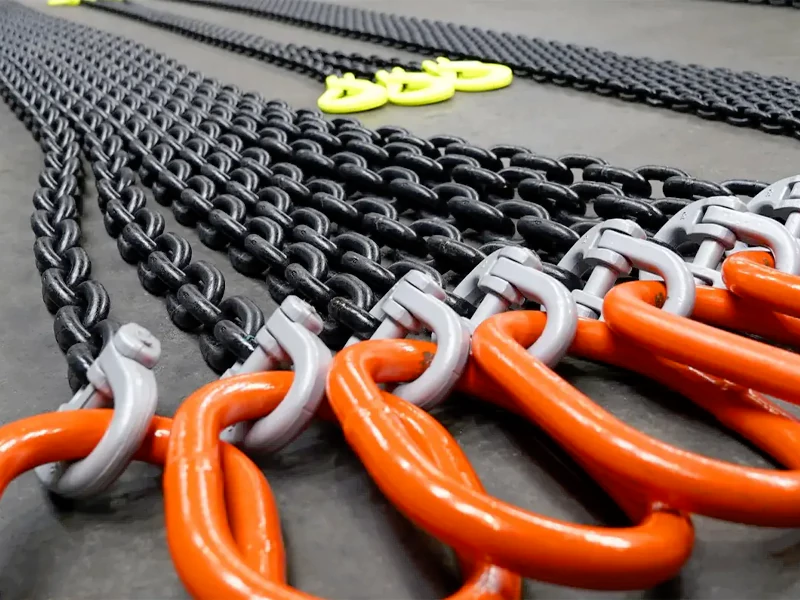
The industrial lifting landscape in 2026 relies on precision-engineered components that surpass standard Grade 80 specifications. For heavy-duty infrastructure, a custom-designed spreader beam can reduce structural stress by 22% compared to off-the-shelf alternatives.
Engineering teams utilize Finite Element Analysis (FEA) to simulate 1.5x working load limits (WLL) before any physical forging begins. This digital stress testing identifies potential weak points in the geometry of master links and hooks under extreme tension.
High-strength alloy steel, such as AISI 4140, is frequently treated with advanced thermal processing to achieve a hardness of 38-42 HRC. This metallurgical precision ensures that custom-fabricated rigging gear maintains its integrity in temperatures ranging from -40°C to 200°C.
| Technical Parameter | Standard Component | Custom Solution |
| Safety Factor | 4:1 | 5:1 or 6:1 |
| Material Grade | G80 | G100 or G120 |
| Surface Finish | Powder Coat | Hot-Dip Galvanized / Geomet |
| Testing | Batch Sampling | 100% Individual Load Test |
Beyond material strength, the geometry of a custom hook or shackle must account for specific contact points on oversized machinery. A 2025 study showed that custom-milled attachment points increase lifting efficiency by 18% during modular construction phases.
The manufacturing process integrates 6-axis robotic welding arms that maintain a 99.8% consistency rate in weld penetration. This level of automation removes human error from the production of heavy-duty lifting lugs and structural frames used in mining operations.
Quality control protocols require every custom piece to undergo Magnetic Particle Inspection (MPI) to detect sub-surface fissures. Any component showing a deviation greater than 0.01mm from the CAD model is immediately recycled to maintain strict tolerances.
International logistics hubs and port authorities require specialized rigging that can withstand constant exposure to saltwater and high humidity. Custom zinc-nickel plating offers over 1,000 hours of salt spray resistance, doubling the lifespan of standard hardware in coastal environments.
A survey of 500 global procurement managers found that 64% prioritize suppliers who offer integrated design-and-build services. This collaborative approach allows for the development of specialized "below-the-hook" devices that can handle asymmetrical loads exceeding 50 metric tons.
-
Custom laser-cut branding for easier fleet management and inspection tracking.
-
Integrated RFID chips for real-time load monitoring and maintenance scheduling.
-
Specialized grip patterns for manual handling in oily or wet conditions.
By implementing these features, project managers see a 12% reduction in on-site accidents and a significant drop in equipment downtime. The speed of prototyping is also a major factor, with many facilities delivering a functional 3D-printed metal sample within 72 hours.
These prototypes allow engineers to verify fit and function before committing to large-scale production runs of several thousand units. The manufacturing transition from a prototype to a full batch of 5,000 G100 connectors typically takes less than 15 working days.
Modern production lines utilize CNC vertical machining centers to achieve surface finishes of Ra 1.6 or better. This smooth finish prevents friction-induced wear on expensive wire ropes and synthetic slings during high-frequency lifting cycles.
Cost-efficiency remains high due to the integration of raw material sourcing and final assembly within a single industrial zone. Reducing the distance between the forge and the testing lab cuts carbon emissions by 15% and lowers the final unit price by 25%.
Advanced logistics networks now offer door-to-door delivery for custom rigging hardware to major ports in under 30 days. This rapid distribution ensures that large-scale energy projects stay on schedule, even when unforeseen technical requirements arise mid-project.
Reliable manufacturers maintain ISO 9001 and ISO 14001 certifications to ensure that environmental impact and quality management are prioritized. These standards provide a baseline of trust for international firms seeking long-term partnerships for ongoing infrastructure development.
The integration of smart technology into custom rigging, such as Bluetooth-enabled load shackles, allows for remote monitoring of every lift. This data-driven approach provides a 95% accuracy rate in calculating the remaining fatigue life of the hardware.
As global demand for 15MW offshore wind turbines grows, the need for specialized lifting solutions capable of handling 800-ton nacelles will increase by 40%. Custom manufacturers are already upgrading their testing beds to accommodate these massive weight requirements.
The shift toward custom-engineered lifting gear represents a move toward higher safety standards and operational efficiency. By selecting specialized components, engineers ensure that every lift is performed with equipment designed specifically for the task at hand.